10 min
Munch Team
10 min
Munch Team
Social Media Posting Schedule: How to Plan, Automate, and Scale Content
Social Media Posting Schedule: How to Plan, Automate, and Scale Content

A structured plan for when and on which platforms you will share your content across multiple channels is called a social media posting schedule. The reason a social media posting schedule is important is that it will have a direct impact on your business's reach, engagement rates, visibility within social media algorithms, and conversion rates.
A social media posting schedule represents a plan for what you're going to do and allows you to work from a strategic standpoint with predictability and with measurable results. Without having a defined posting schedule for your business, you're going to be working on a guesswork basis.
What Is a Social Media Posting Schedule and How Does It Work?
Your overall plan for using social media is refined and translated into a tactical framework with a posting schedule. This tactical framework enables you to be able to continue posting on specific social media channels, continuing with the overall objective aligned to your goals and target audiences.
A posting schedule will generally provide an answer to the following four operational types of questions:
Which social media channel will I be utilizing for my posts?
How frequently shall I post to each of the channels?
Which specific content type will be going out on which specific days?
What are the best times for maximum engagement?
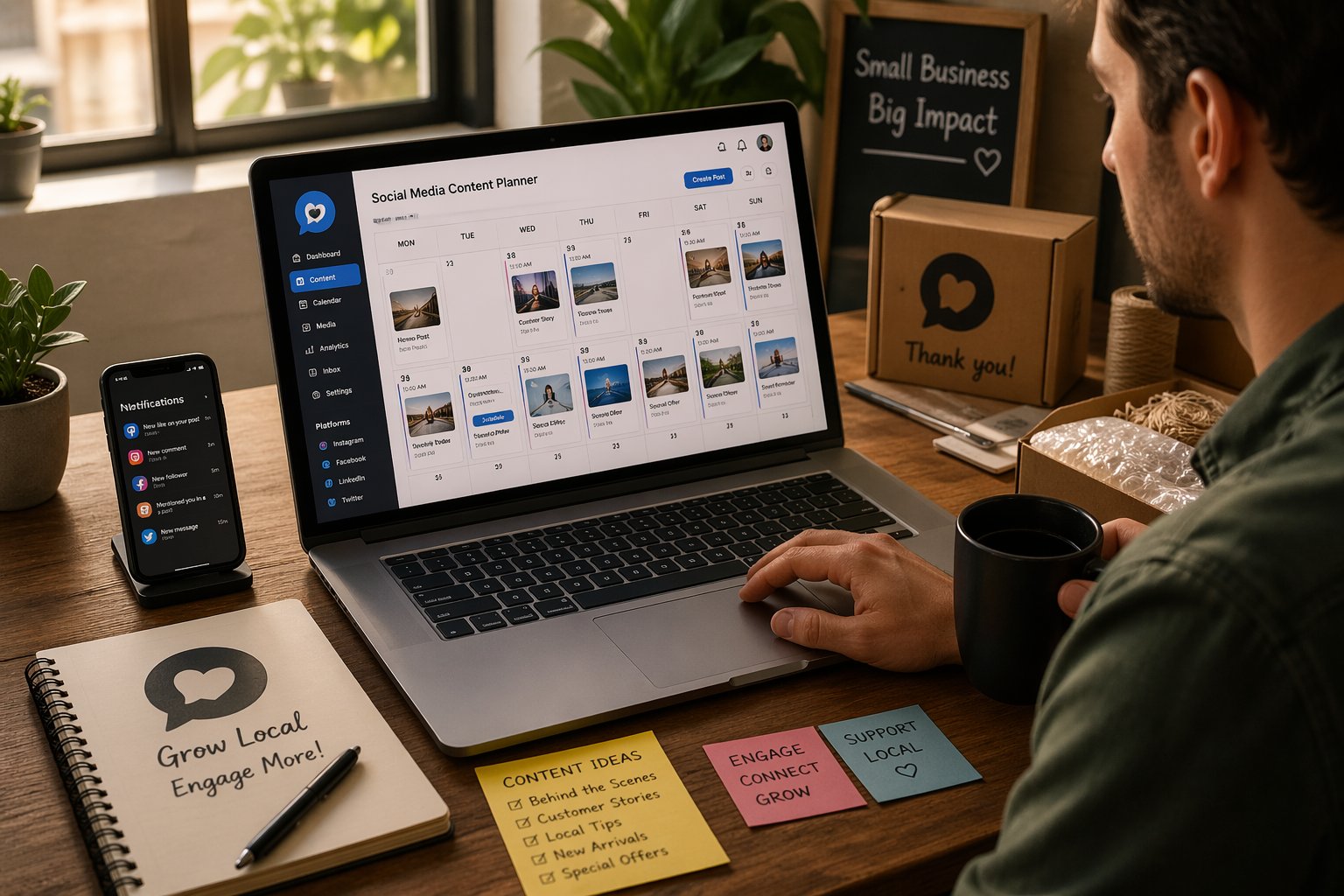
You will typically use a social media content calendar for implementing your posting schedule. A social media content calendar is a visual representation or a table of your posts mapped against the days, platforms, formats, and objectives of your posts.
Example:
A B2B SaaS brand may be posting:
LinkedIn-3 times a week (thought leadership, case studies)
X (Twitter)-daily (short tips, announcements)
Instagram-3 or 4 times a week (carousels, short videos).
This particular schedule helps maintain consistency in posting while avoiding fatigue from seeing too many similar types of posts.

Why a Social Media Posting Schedule Matters for Growth and ROI
While many people may be inclined to think that managing a social media presence and posting frequently is all about being able to produce a lot of content for their audience, the truth is that the majority of businesses that use social media do so to create a very efficient and effective way to reach their target audience and develop long-term, mutually beneficial relationships with them.
The primary advantages of a documented social media posting plan are as follows:
Aligned with the Algorithm: Social media platforms will reward accounts that maintain consistent posting patterns.
Audience conditioning: The longer an account has established a posting schedule, the more followers will come to expect it.
Operational efficiency: This method will prevent teams from needing to scramble at the last minute to create content for publication.
Performance tracking: Tracking all posts will make attribution much easier and allow for optimization of future posts.
Scalability: With a documented plan in place, there is a clear strategy for continued growth that avoids chaos within the organisation.
How to Determine the Best Posting Frequency and Timing
Platform | Recommended Frequency | Best Posting Times (Local) | Ideal Content Formats | Strategic Notes |
2–5 posts per week | Tue–Thu, 8–11 AM | Thought leadership, carousels, case studies | Prioritize quality over volume; consistency matters more than frequency | |
3–5 posts per week | Mon–Fri, 11 AM–2 PM | Reels, carousels, stories | Mix evergreen and trend-based content to avoid fatigue | |
3–5 posts per week | Tue–Thu, 9 AM–1 PM | Images, short videos, links | Best for community engagement and remarketing | |
X (Twitter) | 1–3 posts per day | Weekdays, 8–10 AM & 5–7 PM | Short insights, threads, announcements | High frequency is acceptable due to fast content decay |
TikTok | 3–7 posts per week | Evening hours, 6–9 PM | Short-form video | Consistency and creative variation outperform rigid schedules |
YouTube (Shorts) | 2–4 posts per week | Wed–Sun, 12–6 PM | Vertical short videos | Works best when aligned with long-form content strategy |

How a Social Media Content Calendar Supports Scheduling at Scale
The Social Media Content Calendar will drive your business's social media post schedule operationally.
Typically, this calendar will have the following items:
Date and Time
Social Media Platform
Content Type (Video/Carousel/Written)
Specific Campaign/Topic
Call to Action
Status (Planned/Scheduled/Published)
Calendars are beneficial because:
Create visibility among teams.
Help avoid duplicate content and content gaps.
Help coordinate content at a campaign level.
More advanced teams will connect their calendars to analytical and automation tools, turning the calendar from a static document into a system for monitoring the effectiveness of content creation.
Using a Social Media Marketing Calendar for Campaign Planning
A social media marketing calendar extends beyond individual posts. It aligns content with business initiatives.
Examples of how a social media marketing calendar can be used are:
Product Launches
Seasonal Advertising Campaigns
Targeting Local Events
Long-term Content Marketing Rotation
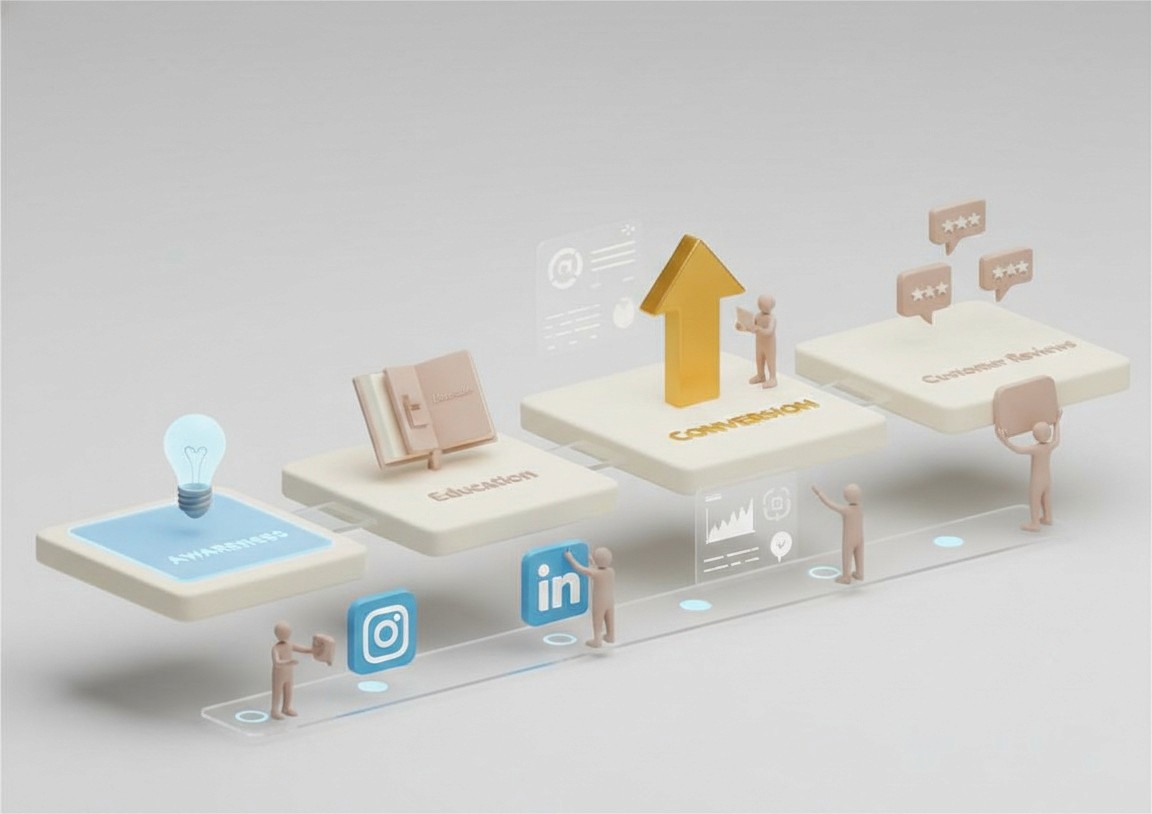
For instance, if a business creates quarterly social media marketing calendars, there will be specific types of content that will be targeted and delivered in each week of the quarter:
Week One: Awareness-Generating Content;
Week Two: Educating Consumers;
Week Three: Converting Interested Consumers
Week Four: Retargeting and Customer Testimonial/Review Posts
Your social media posting schedule should always roll up into this higher-level marketing calendar to ensure strategic alignment.
Common Mistakes in Social Media Posting Schedules and How to Avoid Them
Even the best teams can make mistakes related to scheduling that they did not have to make.
Mistake 1: Putting the same post on all platforms.
Fix 1: Change how the post is written, how it sounds, and when you put it up based on the platform.
Mistake 2: Posting too much at one time without getting any indication from your audience that they want more content from you.
Fix 2: Look at your data to help you determine how often to increase how often you are posting.
Mistake 3: Failing to recognize when someone is becoming tired of seeing your content and is therefore likely to stop following you.
Fix 3: Rotate the format or theme of your posts over time.
Mistake 4: No feedback loop
Fix 4: Make it a monthly practice to review the past month's post performance and adjust your scheduled postings based on the latest performance analytics.
When creating your schedule for posting on social media, think of it as a process that you will continually adjust based on how well it performs.
A structured plan for when and on which platforms you will share your content across multiple channels is called a social media posting schedule. The reason a social media posting schedule is important is that it will have a direct impact on your business's reach, engagement rates, visibility within social media algorithms, and conversion rates.
A social media posting schedule represents a plan for what you're going to do and allows you to work from a strategic standpoint with predictability and with measurable results. Without having a defined posting schedule for your business, you're going to be working on a guesswork basis.
What Is a Social Media Posting Schedule and How Does It Work?
Your overall plan for using social media is refined and translated into a tactical framework with a posting schedule. This tactical framework enables you to be able to continue posting on specific social media channels, continuing with the overall objective aligned to your goals and target audiences.
A posting schedule will generally provide an answer to the following four operational types of questions:
Which social media channel will I be utilizing for my posts?
How frequently shall I post to each of the channels?
Which specific content type will be going out on which specific days?
What are the best times for maximum engagement?
You will typically use a social media content calendar for implementing your posting schedule. A social media content calendar is a visual representation or a table of your posts mapped against the days, platforms, formats, and objectives of your posts.
Example:
A B2B SaaS brand may be posting:
LinkedIn-3 times a week (thought leadership, case studies)
X (Twitter)-daily (short tips, announcements)
Instagram-3 or 4 times a week (carousels, short videos).
This particular schedule helps maintain consistency in posting while avoiding fatigue from seeing too many similar types of posts.
Why a Social Media Posting Schedule Matters for Growth and ROI
While many people may be inclined to think that managing a social media presence and posting frequently is all about being able to produce a lot of content for their audience, the truth is that the majority of businesses that use social media do so to create a very efficient and effective way to reach their target audience and develop long-term, mutually beneficial relationships with them.
The primary advantages of a documented social media posting plan are as follows:
Aligned with the Algorithm: Social media platforms will reward accounts that maintain consistent posting patterns.
Audience conditioning: The longer an account has established a posting schedule, the more followers will come to expect it.
Operational efficiency: This method will prevent teams from needing to scramble at the last minute to create content for publication.
Performance tracking: Tracking all posts will make attribution much easier and allow for optimization of future posts.
Scalability: With a documented plan in place, there is a clear strategy for continued growth that avoids chaos within the organisation.
How to Determine the Best Posting Frequency and Timing
Platform | Recommended Frequency | Best Posting Times (Local) | Ideal Content Formats | Strategic Notes |
2–5 posts per week | Tue–Thu, 8–11 AM | Thought leadership, carousels, case studies | Prioritize quality over volume; consistency matters more than frequency | |
3–5 posts per week | Mon–Fri, 11 AM–2 PM | Reels, carousels, stories | Mix evergreen and trend-based content to avoid fatigue | |
3–5 posts per week | Tue–Thu, 9 AM–1 PM | Images, short videos, links | Best for community engagement and remarketing | |
X (Twitter) | 1–3 posts per day | Weekdays, 8–10 AM & 5–7 PM | Short insights, threads, announcements | High frequency is acceptable due to fast content decay |
TikTok | 3–7 posts per week | Evening hours, 6–9 PM | Short-form video | Consistency and creative variation outperform rigid schedules |
YouTube (Shorts) | 2–4 posts per week | Wed–Sun, 12–6 PM | Vertical short videos | Works best when aligned with long-form content strategy |
How a Social Media Content Calendar Supports Scheduling at Scale
The Social Media Content Calendar will drive your business's social media post schedule operationally.
Typically, this calendar will have the following items:
Date and Time
Social Media Platform
Content Type (Video/Carousel/Written)
Specific Campaign/Topic
Call to Action
Status (Planned/Scheduled/Published)
Calendars are beneficial because:
Create visibility among teams.
Help avoid duplicate content and content gaps.
Help coordinate content at a campaign level.
More advanced teams will connect their calendars to analytical and automation tools, turning the calendar from a static document into a system for monitoring the effectiveness of content creation.
Using a Social Media Marketing Calendar for Campaign Planning
A social media marketing calendar extends beyond individual posts. It aligns content with business initiatives.
Examples of how a social media marketing calendar can be used are:
Product Launches
Seasonal Advertising Campaigns
Targeting Local Events
Long-term Content Marketing Rotation
For instance, if a business creates quarterly social media marketing calendars, there will be specific types of content that will be targeted and delivered in each week of the quarter:
Week One: Awareness-Generating Content;
Week Two: Educating Consumers;
Week Three: Converting Interested Consumers
Week Four: Retargeting and Customer Testimonial/Review Posts
Your social media posting schedule should always roll up into this higher-level marketing calendar to ensure strategic alignment.
Common Mistakes in Social Media Posting Schedules and How to Avoid Them
Even the best teams can make mistakes related to scheduling that they did not have to make.
Mistake 1: Putting the same post on all platforms.
Fix 1: Change how the post is written, how it sounds, and when you put it up based on the platform.
Mistake 2: Posting too much at one time without getting any indication from your audience that they want more content from you.
Fix 2: Look at your data to help you determine how often to increase how often you are posting.
Mistake 3: Failing to recognize when someone is becoming tired of seeing your content and is therefore likely to stop following you.
Fix 3: Rotate the format or theme of your posts over time.
Mistake 4: No feedback loop
Fix 4: Make it a monthly practice to review the past month's post performance and adjust your scheduled postings based on the latest performance analytics.
When creating your schedule for posting on social media, think of it as a process that you will continually adjust based on how well it performs.