10 min
Munch Team
10 min
Munch Team
Organized Posting for Better Social Media Results
Organized Posting for Better Social Media Results
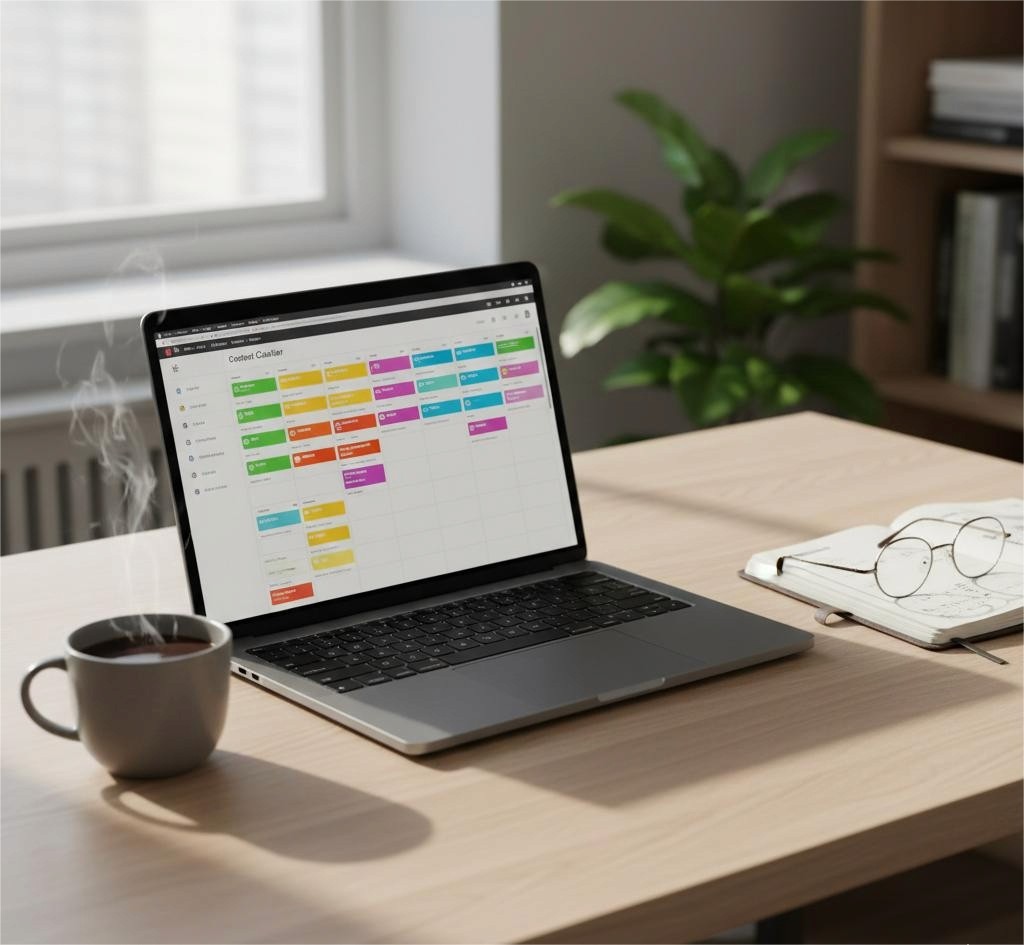
Consistency among brands on digital channels is currently one of the greatest challenges for brands; especially when audiences want their favorite brands to provide timely updates, helpful insights and regular content that keeps them involved with the brand. Mastering how to schedule posts allows businesses to control, structure and optimize their online communications.
There are several ways to create a centralized method for organizing content; therefore, this will provide clarity and consistency through streamlined processes as well as integrate scheduling within a business's overall marketing system.
Why Scheduling Matters for Modern Marketing
Although occasional spontaneous posting may be successful, this will most likely lead to inconsistencies over time if it is the only way you operate. Brands must develop a strategy that enables consistent communications, particularly when managing several different social channels.
When teams learn how to schedule a post , they can better align their messages with marketing campaigns, seasons and new product launches. In addition, small businesses are able to compete against larger companies by consistently being seen by their audience.
The primary benefit of scheduling is the ability to accurately plan ahead of time, therefore alleviating stress and allowing for more time spent on creating quality content as opposed to frantically looking for content every single day.
Planning a Content Framework Before Scheduling
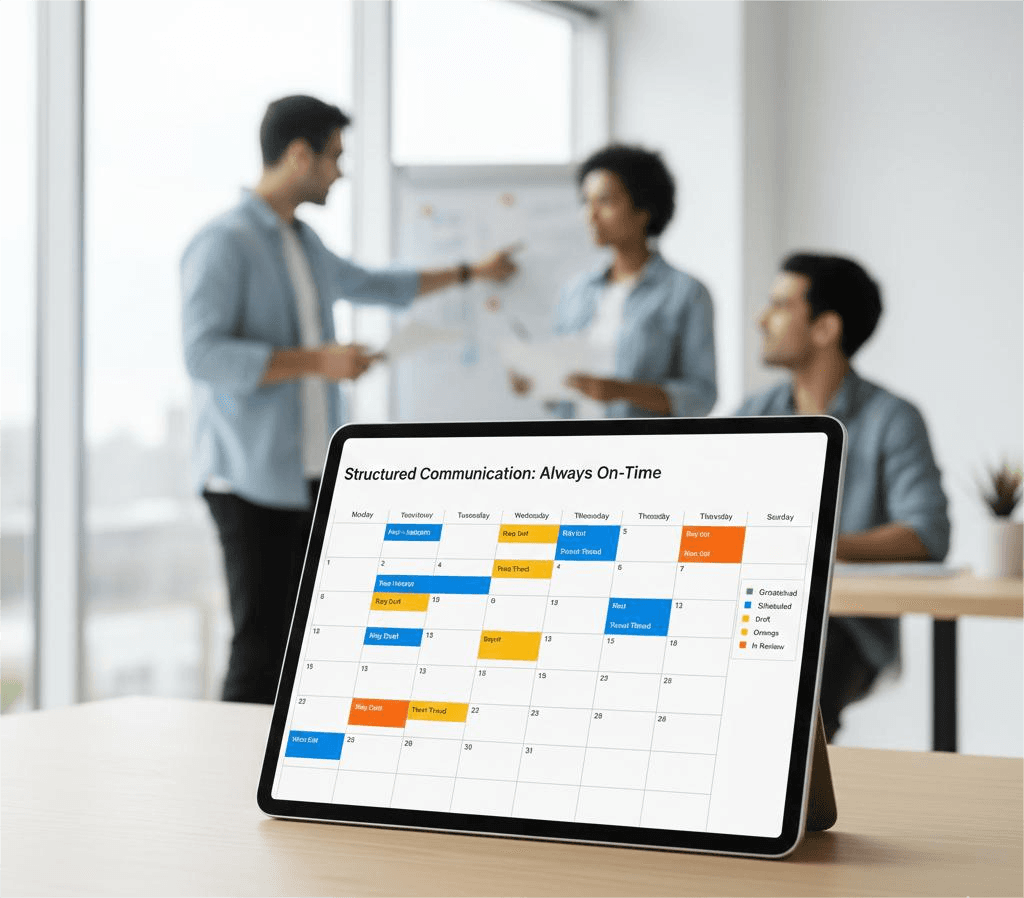
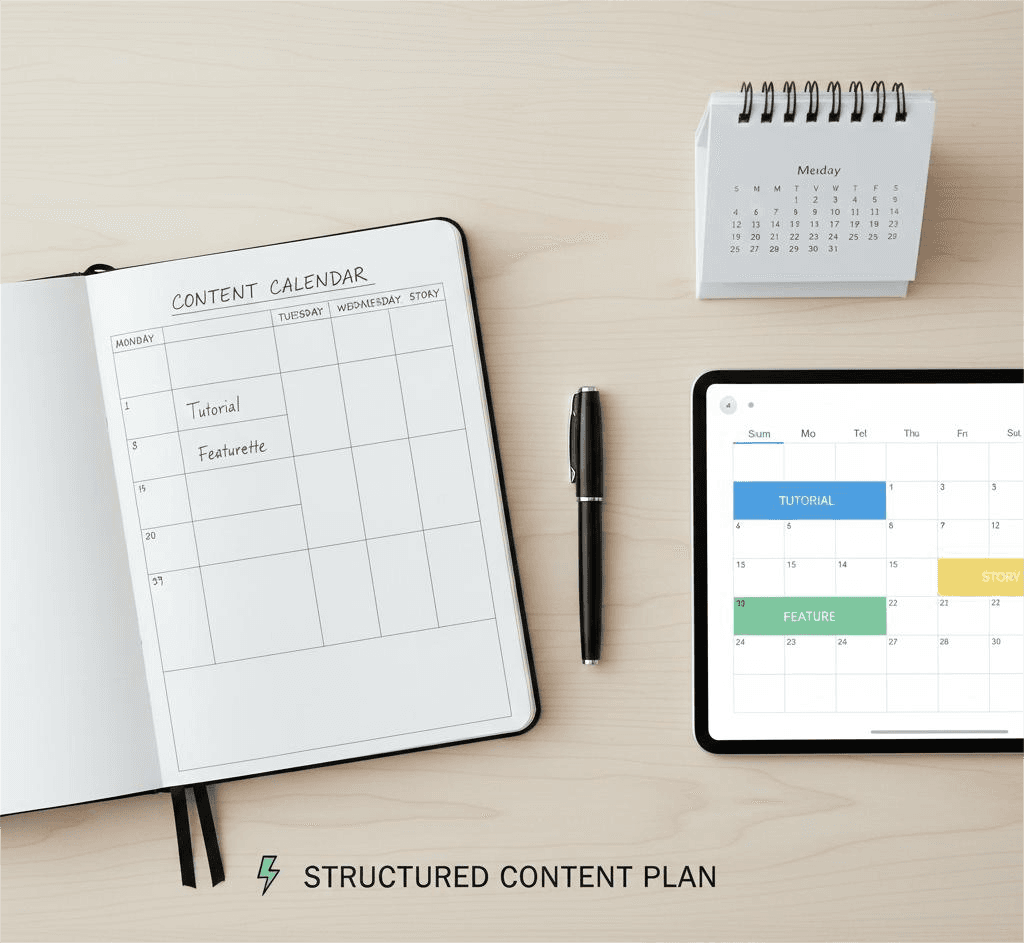
Determine your core types of content, like tutorials, product features, community stories, and insights. Then, identify how often each type of content will appear.
The use of scheduling tools to support the scheduled posting of content helps simplify this process because a brand can easily visualize its future posts while maintaining an even balance of the various types of content.
The following is a visual representation of the impact that structured content planning has on content results:
Content Type | Purpose | Result |
Educational Content | Teach and inform | Builds authority |
Product Features | Highlight value | Boosts conversions |
Engagement Content | Spark conversation | Improves reach |
Brand Stories | Showcase personality | Enhances loyalty |
When this structure is mapped out first, scheduling becomes efficient and intentional instead of rushed and reactive.
Using Tools to Simplify Social Media Scheduling
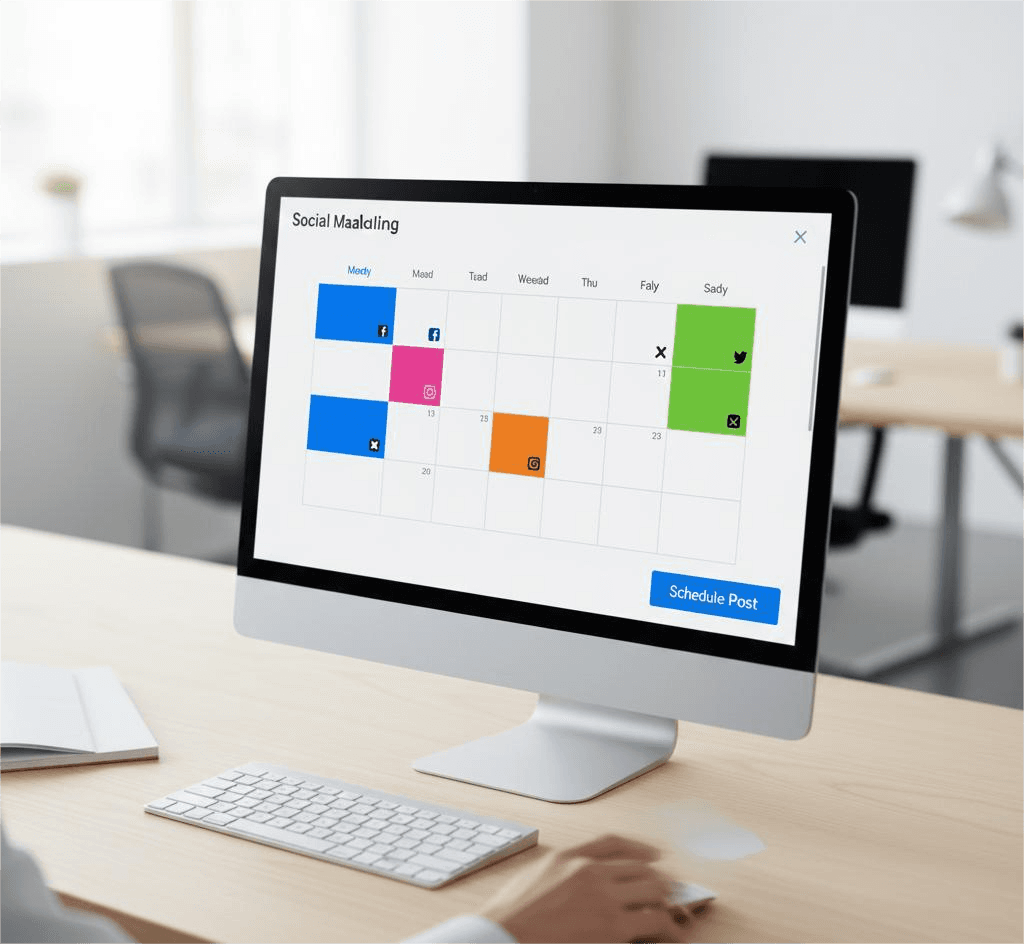
Once your framework is ready, choosing the right tools is key. Modern platforms help marketers schedule posts on social media in advance, making it easier to stay organized across multiple accounts.
By using a dependable scheduling tool for social media, the user can conveniently upload photos, compose a caption, set when the content will be published and preview how their content will look before it goes live; all of these activities greatly reduce the amount of manual work a user would need to perform, providing them with consistency.
Schedule Facebook posts automatically will publish your content on Facebook at the optimal time for your audience (the time when they are primarily online).
With the correct scheduling tool, teams spend less time managing content distribution and can concentrate on developing strategy, engaging with followers and being creative in their messaging.
Finding the Right Timing for Each Platform
Scheduling isn’t just about queuing posts; it’s about publishing at moments that generate maximum impact. Different platforms have different peak activity periods, and understanding them is crucial.
Experimenting with timing — and reviewing analytics — helps you refine your scheduling habits. Over time, patterns emerge that identify when your followers are most responsive.
A brand using tools with analytics features is able to test, measure, and make adjustments easily. It doesn't matter what time you schedule a post, but you must be consistent and learn from your actual results. By following a rhythm based on actual data, you can be certain that your scheduled content is aligned with your overall marketing objectives.
Building a Long-Term Scheduling System
To achieve sustainable growth, it is important to build a comprehensive content ecosystem over time by building multiple campaigns that provide both a seamless and appealing user experience. This enables brands to maintain their regular schedule posting and measure the success of each campaign. Scheduling also helps businesses avoid making spontaneous (and often erratic) decisions about daily postings, thereby providing consistency in their ongoing social media posting schedules. By thinking long term, brands can create content that corresponds with their product releases, industry trends, and what their audience is excited about.
Brands using tools that enable them to schedule posts on social media effectively prepare for peak business, promotional events, and future events, making marketing more predictable and measurable.
Once a brand has mastered how to schedule posts, the brand is set up to experience growth that is intentional rather than organic, and the brand continues to develop and maintain its authenticity.
Conclusion
Preparing your content in advance allows the development of a consistent marketing strategy, rather than waiting until the last minute. It does not matter if you are using a scheduling tool for social media or schedule Facebook posts automatically — or using basic planners to organize your thoughts — the key remains the same; sending the appropriate message at the proper moment.
By learning how to schedule a post effectively and creating a system grounded in planning, creativity, and timely execution, brands can stay visible, build trust, and grow their digital presence with confidence.
Consistency among brands on digital channels is currently one of the greatest challenges for brands; especially when audiences want their favorite brands to provide timely updates, helpful insights and regular content that keeps them involved with the brand. Mastering how to schedule posts allows businesses to control, structure and optimize their online communications.
There are several ways to create a centralized method for organizing content; therefore, this will provide clarity and consistency through streamlined processes as well as integrate scheduling within a business's overall marketing system.
Why Scheduling Matters for Modern Marketing
Although occasional spontaneous posting may be successful, this will most likely lead to inconsistencies over time if it is the only way you operate. Brands must develop a strategy that enables consistent communications, particularly when managing several different social channels.
When teams learn how to schedule a post , they can better align their messages with marketing campaigns, seasons and new product launches. In addition, small businesses are able to compete against larger companies by consistently being seen by their audience.
The primary benefit of scheduling is the ability to accurately plan ahead of time, therefore alleviating stress and allowing for more time spent on creating quality content as opposed to frantically looking for content every single day.
Planning a Content Framework Before Scheduling
Determine your core types of content, like tutorials, product features, community stories, and insights. Then, identify how often each type of content will appear.
The use of scheduling tools to support the scheduled posting of content helps simplify this process because a brand can easily visualize its future posts while maintaining an even balance of the various types of content.
The following is a visual representation of the impact that structured content planning has on content results:
Content Type | Purpose | Result |
Educational Content | Teach and inform | Builds authority |
Product Features | Highlight value | Boosts conversions |
Engagement Content | Spark conversation | Improves reach |
Brand Stories | Showcase personality | Enhances loyalty |
When this structure is mapped out first, scheduling becomes efficient and intentional instead of rushed and reactive.
Using Tools to Simplify Social Media Scheduling
Once your framework is ready, choosing the right tools is key. Modern platforms help marketers schedule posts on social media in advance, making it easier to stay organized across multiple accounts.
By using a dependable scheduling tool for social media, the user can conveniently upload photos, compose a caption, set when the content will be published and preview how their content will look before it goes live; all of these activities greatly reduce the amount of manual work a user would need to perform, providing them with consistency.
Schedule Facebook posts automatically will publish your content on Facebook at the optimal time for your audience (the time when they are primarily online).
With the correct scheduling tool, teams spend less time managing content distribution and can concentrate on developing strategy, engaging with followers and being creative in their messaging.
Finding the Right Timing for Each Platform
Scheduling isn’t just about queuing posts; it’s about publishing at moments that generate maximum impact. Different platforms have different peak activity periods, and understanding them is crucial.
Experimenting with timing — and reviewing analytics — helps you refine your scheduling habits. Over time, patterns emerge that identify when your followers are most responsive.
A brand using tools with analytics features is able to test, measure, and make adjustments easily. It doesn't matter what time you schedule a post, but you must be consistent and learn from your actual results. By following a rhythm based on actual data, you can be certain that your scheduled content is aligned with your overall marketing objectives.
Building a Long-Term Scheduling System
To achieve sustainable growth, it is important to build a comprehensive content ecosystem over time by building multiple campaigns that provide both a seamless and appealing user experience. This enables brands to maintain their regular schedule posting and measure the success of each campaign. Scheduling also helps businesses avoid making spontaneous (and often erratic) decisions about daily postings, thereby providing consistency in their ongoing social media posting schedules. By thinking long term, brands can create content that corresponds with their product releases, industry trends, and what their audience is excited about.
Brands using tools that enable them to schedule posts on social media effectively prepare for peak business, promotional events, and future events, making marketing more predictable and measurable.
Once a brand has mastered how to schedule posts, the brand is set up to experience growth that is intentional rather than organic, and the brand continues to develop and maintain its authenticity.
Conclusion
Preparing your content in advance allows the development of a consistent marketing strategy, rather than waiting until the last minute. It does not matter if you are using a scheduling tool for social media or schedule Facebook posts automatically — or using basic planners to organize your thoughts — the key remains the same; sending the appropriate message at the proper moment.
By learning how to schedule a post effectively and creating a system grounded in planning, creativity, and timely execution, brands can stay visible, build trust, and grow their digital presence with confidence.